“I truly enjoy being here. It makes me happy!”

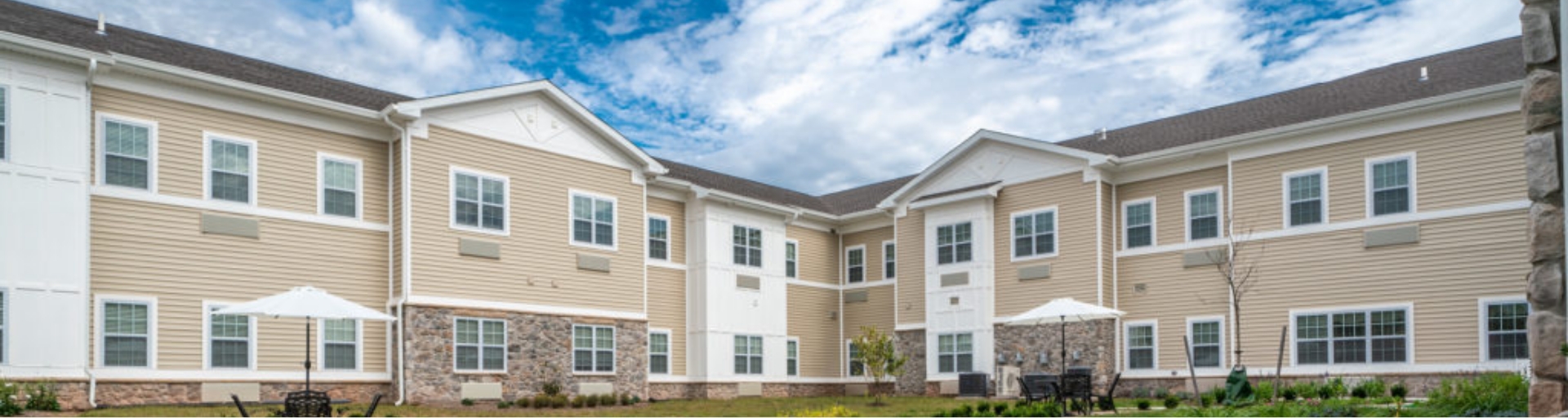
For many families, the conversation about senior living begins not with a plan, but with a moment — a fall, a diagnosis, or a quiet realization that a loved one needs more support than before and more than is available. Suddenly, you’re faced with a world of unfamiliar options, complex pricing structures, and decisions that feel both urgent and very personal.
Here’s the good news: taking the time to learn about the different types of senior living communities — and what they actually cost — puts you and your family in the driver’s seat. There’s no one-size-fits-all answer, but there is a right fit for every person, every need, and every budget. In this guide, we’ll walk you through the different senior living options, breaking down what typically drives prices and what’s usually included.
One of the first things families notice when researching senior living is how widely the prices can range. There are several key factors that shape what a community charges.
The most significant driver of cost is the amount of care a resident requires. Someone who is active and largely independent will have very different needs than someone who needs daily assistance with bathing, dressing, medications, or memory support.
As care needs increase, so does the staffing, expertise, and resources required to meet them safely and compassionately.
Some communities offer all-inclusive pricing that bundles housing, meals, activities, transportation, and personal care into a single monthly fee. Others use a tiered or à la carte model, where a base rate covers the basics, and additional services are billed separately.
Two communities with similar monthly rates may offer very different value, depending on what’s actually included — which is why it’s always worth asking for a detailed breakdown.
Senior living costs tend to be higher in urban areas and regions with a higher cost of living, while communities in smaller towns or rural areas may offer comparable care at a lower price point.
The kind of senior living community — whether it’s an active adult neighborhood, an independent living residence, an assisted living community, a memory care facility, or a skilled nursing facility — reflects a fundamentally different level of service, staffing, and infrastructure. Each type is designed to meet a specific set of needs, and the pricing reflects that.
Senior Living Option | Levels of Care | Independence | Typical Services Provided* | Ideal for Whom | Estimated Monthly Cost |
55+ Community | None (typically) | Very High | Property maintenance, social activities (may vary widely) and common areas | Independent adults 55+ with a low maintenance, but social lifestyle | Property purchase + $1,000-$3,500+ per month (varies widely) |
Independent Living in community | Low | High | Meals, housekeeping, some transportation and social events | Active seniors who want convenience and community | $1,500 – $4,000+ |
Assisted Living in community | Moderate | Moderate | Assistance with daily living, medication management, meals and housekeeping | Seniors needing some daily assistance | $3,000 – $6,000+ |
Memory Care in community (may be secure) | Moderate to High (specialized) | Low to Moderate | 24/7 supervision, dementia care and structured programs | Senior living with a dementia diagnosis | $4,000 – $8,000+ |
Skilled Nursing Facility (SNF) | High | Low | 24/7 nursing, rehabilitation, medical care | Senior with serious or chronic health needs. Medicaid/Medicare options | $9,000 – $14,000+ |
Continuing Care Retirement Community (CCRC) | Varies | Varies | Tiered care, lifetime housing and healthcare planning (must move locations for change in care level) | Seniors seeking a full spectrum of aging care | Entrance fee ($10K-$400k+) + $2,000-$7,000+ monthly |
*outline above is not specific to any individual community. Specific offerings and price points vary by location.
Once you have a sense of the type of senior living community that might be the right fit, the next step is understanding exactly what you’re paying for. This is where many families are caught off guard — not because communities are trying to be misleading, but because pricing structures in senior living can vary significantly from one community to the next.
Some communities — particularly continuing care retirement communities and certain assisted living residences — offer an all-inclusive or “bundled” pricing model.
In this structure, one monthly fee covers most or all of the services a resident needs. For families who value simplicity and predictability, this model offers peace of mind. You know what to expect on your monthly statement, and there are fewer decisions to make as needs evolve.
Many communities use a different approach, charging a base rate for housing and core amenities, then layering on additional fees based on the level of care or specific services a resident uses. In a tiered model, residents are assessed and placed into a care level with each level carrying a higher monthly cost.
In a true à la carte model, individual services are priced and billed separately. While this structure can be cost-effective for residents who need minimal support, costs can add up quickly as care needs increase.
Regardless of the pricing model a community uses, there are several services that are frequently billed as extras. When touring communities, be sure to ask specifically about:
When comparing senior living communities, make sure to ask for a complete, itemized fee schedule before making any decisions. A reputable community will be happy to provide one.
As you review it, ask what the base monthly rate includes, what triggers an increase to a higher care level, and how residents and families are notified when prices change. Understanding the full financial picture upfront is the key to making a decision you feel confident in for the long term.
At Providence Place, we understand that choosing a senior living community is one of the most important decisions a family can make. That’s why we’ve built our communities around a simple promise: straightforward, transparent pricing and a genuine continuum of care that grows with your loved one’s needs.
Providence Place offers multiple levels of care within our retirement communities. That means that your loved one doesn’t have to move to an entirely new setting if their care needs change over time.
From independent living for active older adults who want a maintenance-free lifestyle with the comfort of community, to assisted living and personal care for those who benefit from daily support with personal tasks, to specialized memory care for residents living with Alzheimer’s or other forms of dementia — we’re equipped to meet people where they are and walk alongside them as their journey evolves.
We’re committed to honest, upfront conversations about costs so that families can plan with confidence. When you connect with our team, we’ll walk you through exactly what’s included, answer your questions about care levels and pricing, and help you understand every aspect of what life at Providence Place looks like.
We invite you to explore our communities online, or reach out to speak with a member of our team today. There’s no pressure — just people who genuinely care, ready to help.

Interested in learning more about one of our seven Providence Place Senior Living communities in Pennsylvania?
Contact Us Today